


Key Takeaways
Cat towers, also called a cat tree, cat condos, or a cat tree house, give indoor cats safe spaces to climb, scratch, perch, play, and rest while helping protect sofas, carpets, chairs, and other furniture.
-
The best towers for cats depend on several factors: your cat’s size, breed, age, energy level, mobility, and your available floor space and budget.
-
Durability matters: choose sturdy construction, a wide base, strong scratching posts, and stable materials that can handle daily climbing and jumping.
-
Placement matters too. A tower near a window, in a room where your cat spends time, or in a corner with good views is more likely to be used.
-
Large cats need reinforced bases, wider platforms, and thicker sisal posts; older cats and kittens usually prefer lower towers with ramps or close platforms.
-
Expect 2024–2026 prices from about $40–$80 for basic towers, $90–$200 for mid-range cat trees, and $250+ for premium solid wood cat furniture.
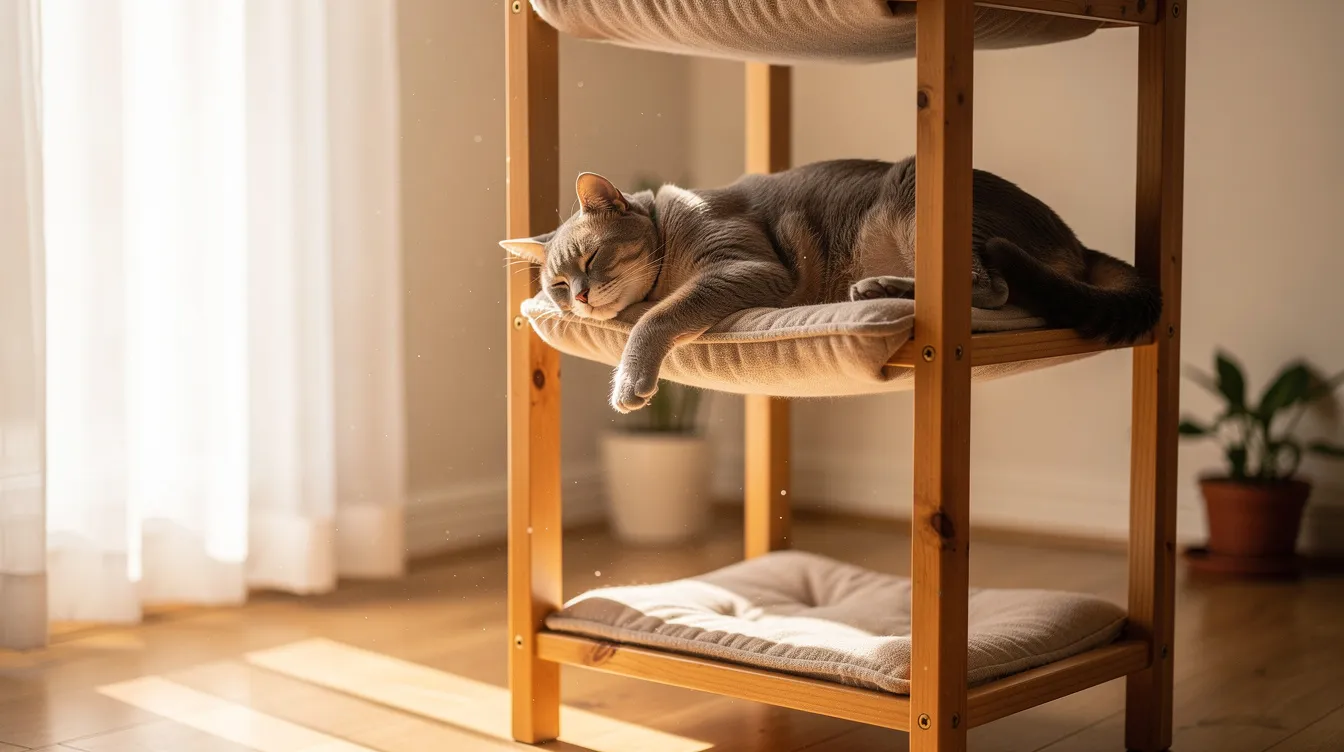
Do Cats Really Need Cat Furniture Like a Cat Tower?
Indoor cats in 2026 often live in apartments, studios, and smaller homes where horizontal space is limited. Cat trees and towers add vertical space without increasing floor area, which is especially useful when a cat spends most or all of the day indoors.
Cats naturally like to climb, scratch, and observe their surroundings from high places, making cat trees essential for their well-being. Cat trees and towers fulfill a cat's evolutionary needs by providing vertical space that benefits their physical and psychological health; height provides safety for indoor cats, allowing them to survey their surroundings from above.
A well-designed cat tower provides safe spaces for climbing, perching, and scratching, catering to different feline personalities and life stages. Built-in scratching posts also redirect destructive scratching behavior to appropriate surfaces like sisal or carpet, helping prevent cats from choosing sofas, door frames, or chairs when they want to scratch furniture.
Cat tree houses and enclosed condos give shy cats a quiet house-like retreat where they can nap without being bothered. Research on feline enrichment has found that hiding spaces and elevated resting areas can reduce stress in cats, especially in unfamiliar or group environments, as noted in studies on hiding boxes and stress reduction.
Climbing and jumping up multi-tiered structures tones muscles, builds agility, and encourages vertical stretching for spinal and joint flexibility. Multi-level platforms and play structures encourage physical activity such as jumping, pouncing, and stretching, helping cats maintain a healthy weight. Even a standard cat tree with one perch and one post is better than no vertical cat furniture at all.
Best Types of Cat Trees for Different Cats
There is no single best cat tree for every home. When choosing a cat tree, consider the size based on your cat's needs and your available space; taller trees are better for active cats, while smaller trees are suitable for older or clumsy cats.
Extra-tall and multi-level trees can reach heights of 72 to 84 inches, catering to high-energy cats that enjoy climbing. A tall cat tree is ideal for energetic cats as it allows them to climb and jump between levels, promoting physical activity and mental stimulation.
Multi-cat households benefit from several perches, multiple cat tree houses, and more than one scratch post. Cat towers can help establish hierarchical territories in multi-cat households by offering vertical space without increasing floor area, and enrichment research has shown that elevated spaces can reduce conflict in group-housed cats.
Wall-mounted shelves, bridges, and compact towers can work like a new cat tree concept in tight homes. If possible, aim for one vertical structure per cat, plus one spare: for two cats, that might mean two pieces of cat furniture plus a window perch.
Cat Trees for Large Cats and Active Cats
For larger or highly active cats, a cat tree with strong construction and wide platforms is recommended to ensure stability and safety during play. This is especially important for large cats over 14–15 lb, Maine Coons, Ragdolls, Norwegian Forest Cats, or any athletic jumper who lands with force.
Look for cat trees with thicker scratching posts and reinforced bases to prevent wobbling, which is crucial for the safety of larger cats. A wide base, low center of gravity, and wall anchor straps enhance the stability of cat towers to prevent tipping during use.
For large cats, posts should ideally be 4–5 inches thick and wrapped in natural sisal rope, which is used in scratching posts to provide a durable texture for claw maintenance. Platforms should be at least 18–20 inches wide so cats can lounge comfortably, curl up, or stretch without hanging off the edge.
Typical large-cat towers are around 65–80 inches tall. Step-like levels are better than huge vertical gaps because heavier cats can climb without strain and do not have to make one risky jump.
Cat Towers for Kittens and Senior Cats
Kittens and older cats need different layouts. Kittens need fun, stable play zones, while senior cats need gentle access, predictable steps, and soft beds that support stiff joints.
Cat towers designed with ramps or accessible platforms are ideal for kittens and senior cats with mobility limitations. Choose lower or mid-height models around 30–55 inches, with close platforms, ramps, baskets, and wide steps.
For kittens, avoid flimsy tall towers that wobble during wild play. For seniors, prefer plush resting areas, raised bed edges, and washable and removable mats that allow for easy cleaning of cat towers to maintain a hygienic environment.
Wooden vs. Plush Cat Towers: Which Is Better?
Wooden cat trees and plush-covered cat towers both have a place. Plush models are soft, affordable, and attractive in many apartments, while wooden towers tend to look more like modern furniture and often last longer.
Materials play a significant role in the quality of a cat tree; wooden cat trees are often more durable and stylish compared to plush models, providing better stability for climbing and jumping. Solid wood or thick plywood usually handles wear better than thin particleboard, especially when a cat likes to play hard.
Plush towers are usually cheaper and cozy underpaw, but they collect fur, odors, and loose threads faster. Hybrid styles are often the best compromise: a solid frame, removable soft pads, sisal scratching posts, and replaceable parts.
Price is a useful reality check. In 2024–2026, basic small cat towers often cost $40–$80, mid-range multi-level trees cost $90–$200, and premium solid wood cat furniture usually starts around $250. Pet owners are often shocked that a $180 sturdy tree can be better value than replacing a $60 tower every year.
Durability, Materials, and Safety
Durability is crucial when selecting a cat tree; look for sturdy bases and strong scratching posts to ensure it can withstand daily use and last for years. High stability is crucial in cat trees to prevent safety hazards and ensure cats feel secure while using them.
Prioritize these materials:
|
Feature |
What to look for |
|---|---|
|
Frame |
Solid wood or dense engineered wood |
|
Scratching surface |
Natural sisal rope or sisal fabric |
|
Hardware |
Metal bolts, brackets, and tight joints |
|
Fabric |
Tightly woven, removable, washable covers |
|
Base |
Wide, heavy, stable, and proportionate to height |
Check the weight rating and choose a tower rated above your heaviest cat’s actual weight. To test stability, push the tower gently from the side; if it shifts, leans, or feels unstable, it may become a tipping nightmare during zoomies.
Where to Place a Cat Tower in Your Home
The best place to put a cat tree is usually near a window or in a room where your cat spends the most time, as cats enjoy watching outdoor activity such as birds or passing people. This turns the perch into “cat TV” and gives your cat something to watch between meals, naps, and play sessions.
Placing a cat tree in a corner location can be beneficial because it maximizes space and provides your cat with a vantage point to observe their surroundings. Corners also help tall towers feel more stable and keep them out of busy walkways.
In multi-cat homes, avoid blocking doors, hallways, or escape routes. A nervous cat should not be trapped inside a cat tree house by another cat, so choose designs with multiple exits when possible.
Anchor very tall towers to wall studs, not just drywall, and keep towers away from fragile lamps, shelves, or plants. If your cat misses a jump, you do not want broken glass or chemicals nearby.
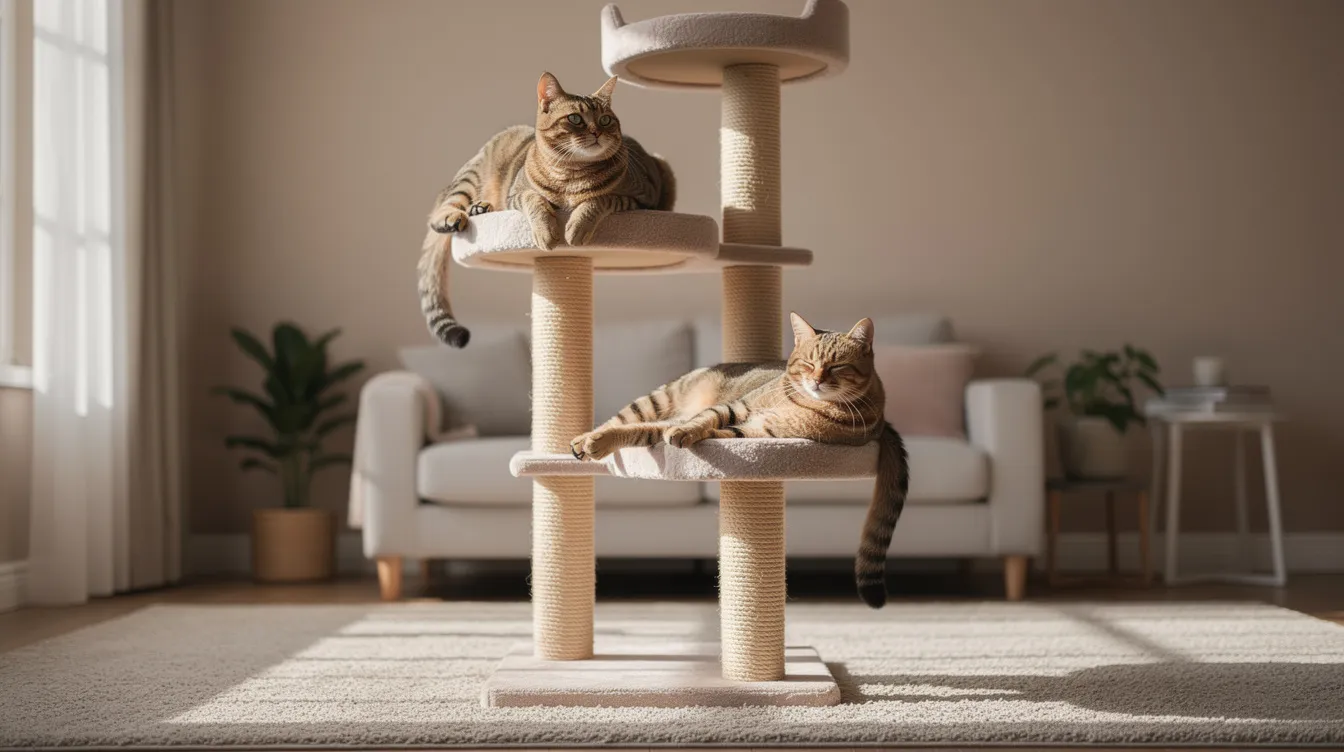
Maximizing Vertical Space in Small Apartments
In smaller homes, combining a cat tree with cat wall shelves can create a vertical play area that saves floor space while still giving your cat multiple places to climb and explore.
A compact cat tree house under a window with shelves above it can create a full cat highway. Slim ceiling-height towers also work well if they are anchored and do not crowd the room.
Choose gray, beige, green, or light wood finishes if you want cat furniture to blend with your surroundings. The goal is to create a useful environment for the cat without making the home feel cluttered.
How to Choose a Cat Tower That Will Last
Before you purchase, compare height, base size, platform spacing, scratching posts, beds, hammocks, toys, assembly quality, and whether replacement parts are in stock. A well-designed cat tree can help reduce boredom, provide exercise, and prevent cats from climbing on shelves or scratching household furniture.
Read reviews from owners with similar cats. If you have a 17 lb Maine Coon, a review from someone with a 7 lb kitten will not tell you enough about wobble, wear, or long-term safety.
A solid mid-range or premium tower can last several years with maintenance. Replaceable sisal posts, removable cushions, and modular parts make a tower greener because you can replace worn sections instead of throwing out the whole tree.
Size and Layout
Bigger is not always better. Most adult cats do well with towers around 50–70 inches, while very tall models should be anchored and shorter models are better for timid, senior, or clumsy cats.
Measure your ceiling height, floor space, and the cat’s full body length before buying. Leave enough clearance to walk around the tower and avoid placing the top perch too close to the ceiling.
For multiple cats, look for at least 3–4 resting zones, such as perches, hammocks, beds, and cat tree houses. This helps cats rest in different spots instead of competing for one favorite perch.
Scratching Posts and Surfaces
Effective scratching posts are central to every good tower because they protect other furniture. Sisal is usually more durable than carpets alone, and many cats prefer the rough texture.
A good vertical post should be tall enough for a full-body stretch, often 24 inches or more for average cats and 30–36 inches or more for big breeds. Multiple scratching posts at different levels let cats of different ages and sizes choose what feels best.
When sisal wears out, rewrap the post instead of discarding the tower. It saves money, reduces waste, and keeps the cat’s favorite scratch surface familiar.
Beds, Hammocks, and Cat Tree Houses
Cozy resting zones turn a basic tower into a daily destination. Adding a cat tree creates a comfortable resting spot where cats feel safe and relaxed, contributing to their overall happiness.
Measure before buying: many adult cats need beds around 16–20 inches wide, while large cats may need more. Hammocks are popular, but check the weight rating and choose multi-point anchored hammocks for safety.
In multi-cat homes, enclosed houses should have more than one entry or exit. Removable, washable cushions also make it easier to remove fur, dander, and odors.
Budget and Value in 2024–2026
Here is a simple way to think about value:
|
Type |
Typical price |
Best for |
|---|---|---|
|
Basic small tower |
$40–$80 |
Kittens, small spaces, light use |
|
Mid-range multi-level tree |
$90–$200 |
Most adult cats |
|
Premium solid wood tower |
$250+ |
Large cats, multi-cat homes, long-term use |
Do not sacrifice stability just to save money. A flimsy bargain can become expensive if it breaks, scares your cat, or needs replacing after a year.
DIY upgrades can help: rewrap sisal, add new cushions, tighten bolts, or attach extra scratching pads. If you are browsing a cat tree king size model, check whether parts can be replaced before paying the higher price.
Care, Cleaning, and Maintenance of Cat Towers
Maintenance keeps towers hygienic, safe, and attractive. Weekly, vacuum plush surfaces, lint-roll beds, and remove fur from hammocks, baskets, and platforms.
Monthly, tighten bolts, screws, and brackets. Look for cracks, loose hardware, exposed staples, frayed rope, or any post that flexes more than it should.
Spot-clean stains with pet-safe cleaners and avoid harsh chemicals. Replace broken toys, loose strings, or dangling parts that could be chewed or swallowed.
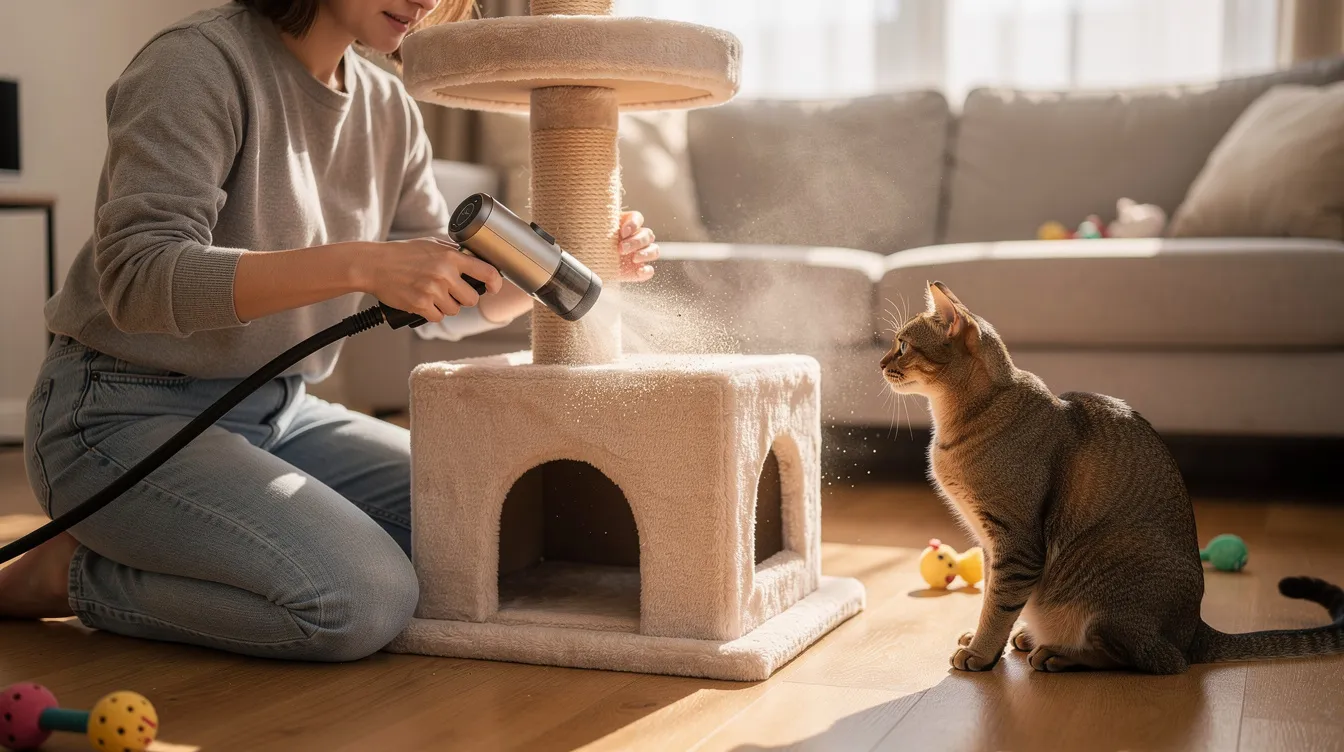
When to Repair vs. Replace Your Cat Tree
Repair is usually enough for cosmetic wear: scratched fabric, worn sisal, loose toys, or flattened cushions. These are normal signs that cats love and use the tower.
Replace the tower if you see cracked main posts, warped wood, rotten boards, severe leaning, or structural damage that hardware cannot fix. A tower that no longer feels sturdy is not worth the worry.
Upgrade when your cat gains weight, becomes less mobile, or when you adopt more cats. Salvage safe platforms or posts for DIY scratch stations if the full tower can no longer be used.
FAQ: Common Questions About Cat Towers and Cat Trees
How many cat towers should I have for multiple cats?
Aim for one main cat tower plus at least one extra vertical space, such as a second tree, wall shelves, or a window perch. In homes with three or more cats, spreading 2–3 cat trees across different rooms can reduce tension and resource guarding.
Is it safe to buy a used cat tree or cat tower?
It can be, but inspect carefully. Used towers may carry old odors, fleas, allergens, or stress scents from another cat. Deep-clean the tower, replace fabric if possible, and avoid any used model that smells strongly or looks structurally worn.
Can a cat tower replace other scratching posts?
A well-designed tower with multiple tall scratching posts can be the main scratching area for many cats. Still, it is smart to keep one extra vertical or horizontal scratcher near the room where your cat already likes to scratch.
Do I need to anchor my cat tower to the wall?
Anchor tall, narrow towers over 60–70 inches, especially for large cats or active jumpers. Use included safety straps and secure them to wall studs whenever possible; do not rely only on drywall anchors for a heavy tower.
How long do good cat trees and cat towers usually last?
A well-made mid-range tower can last about 3–7 years, and high-quality solid wood cat furniture can last longer with regular maintenance. Heavy use by multiple cats shortens lifespan, while tightening hardware and replacing sisal or cushions extends it.
Recommended Setup: A Practical Upgrade for Modern Cat Homes
If you’re looking to upgrade your cat’s environment without wasting money on trial and error, a simple, well-balanced setup usually works better than relying on a single oversized tower.
A combination we consistently recommend is pairing a well-built cat tree with a secondary space that fits naturally into your daily routine.
For the main structure, options like the Ivy Cat Tree and Luna Cat Tree from Michu are designed with real-world use in mind. Both models focus on the fundamentals covered in this guide—stable bases, durable scratching posts, and practical layouts that support climbing, resting, and daily wear. The Ivy Cat Tree is a great fit for active cats that enjoy vertical movement, while the Luna Cat Tree offers a more balanced, space-efficient layout that works well in apartments or smaller homes.
To complement that, adding the Michu Deskmate creates a second “anchor point” in your home. While the cat tree becomes your cat’s main activity zone, the Deskmate gives them a dedicated place to stay close to you during work, reading, or downtime—without competing for space on your desk.
This combination works because it supports both sides of a cat’s natural behavior:
- Independence → climbing, scratching, resting (Ivy or Luna Cat Tree)
- Social bonding → staying near you without disruption (Deskmate)
For many indoor cats—especially in apartments—this setup leads to higher daily usage, less furniture scratching, and fewer attention-seeking interruptions.
If you’re starting from scratch, choose a durable cat tree like the Ivy or Luna as your foundation. If you want a setup your cat actually uses throughout the day, adding a well-placed Deskmate is often the upgrade that makes the biggest difference.